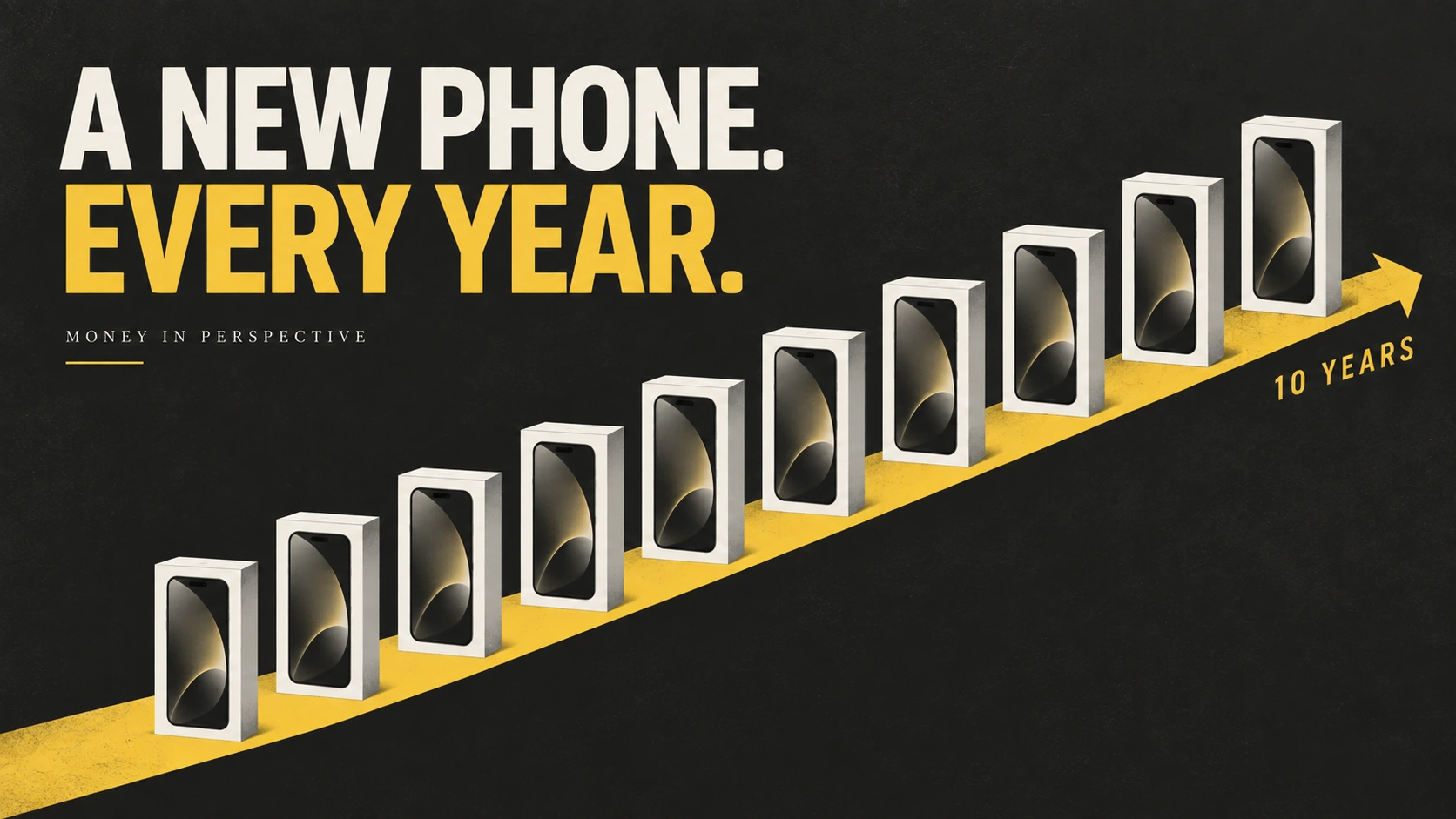
Upgrading your phone every year feels surprisingly normal for something that can cost more than a television, laptop or weekend away. A new model arrives, the old one suddenly feels slightly less impressive, trade-in offers appear and monthly finance makes the difference look manageable. The next thing you know, a perfectly functioning device has become yesterday’s technology.
The annual upgrade cycle is attractive because the cost is rarely presented as one dramatic number. You may see “£39.99 a month”, “only £12 more than your current plan” or “trade in your existing phone and save £400”. These figures are useful, but they can hide the larger question: how much does changing phones every year actually cost over time?
Take a simple example. Suppose a new premium phone costs £1,000. After one year, your existing device can be traded in for £500. On the surface, the next upgrade appears to cost £500. Repeat that every year and you are effectively spending around £500 annually to remain on the newest model, before considering insurance, accessories, finance charges or differences in trade-in value.
Over five years, that is roughly £2,500 of net upgrade spending. Keep each phone for three years instead and the pattern changes dramatically. You may receive less when you eventually sell or trade it, but you make far fewer purchases. Even if the three-year-old device is worth only £250, the total ownership cost per year can be substantially lower.
This is why depreciation matters. Phones lose value quickly, especially in the first year or two. When you buy a new device and replace it after twelve months, you repeatedly experience the steepest part of the depreciation curve. You are effectively paying for the period when the device loses value fastest.
Keeping a phone longer allows you to spread the original cost over more years. A £1,000 phone kept for one year costs roughly £1,000 per year before resale. Kept for four years, the purchase price averages £250 per year before resale. The hardware is the same. The value changes because you used it longer.
Trade-ins make annual upgrading feel cheaper because you receive money back. But the trade-in is not free money. It is the value of an asset you already own. If your current phone is worth £450 and the new one costs £1,050, you are still giving up £600 of value to make the change.
The most useful comparison is therefore not “How much am I getting for my old phone?” It is “How much new money and existing device value am I giving up to gain the new features?”
Sometimes the answer is worth it. Phones are among the most heavily used objects many people own. They handle communication, banking, photography, navigation, work, entertainment and countless small tasks every day. If the new model materially improves something important to you, paying regularly for upgrades may be a perfectly reasonable use of discretionary money.
The issue is when the habit becomes automatic.
Annual launches create a powerful psychological effect. Your current phone does not get worse when the new one appears, but comparison changes. The camera that looked excellent last week now lacks the latest zoom. The battery life is suddenly one hour shorter than the new model. The screen is no longer the brightest available.
None of those differences is imaginary. Technology improves. The question is whether the improvement is meaningful enough to justify another year of depreciation.
Camera upgrades are a good example. A new phone may produce visibly better photographs in low light, offer stronger zoom or improve video. A parent who takes thousands of photos may value that highly. A content creator might use the camera professionally. For someone who mainly sends messages, checks email and occasionally photographs dinner, the improvement may be interesting rather than necessary.
Performance follows the same pattern. New processors are faster every year, but many everyday tasks already happen almost instantly on older devices. If your current phone opens apps, browses the web and handles everything you do comfortably, benchmark improvements may not change daily life much.
Battery life is often the strongest practical reason to upgrade, but even here replacement may not be the only option. Batteries degrade with use. If the phone remains otherwise excellent, replacing the battery can extend its useful life significantly at a fraction of the cost of a new device.
Screen damage, storage limitations and software support can also justify replacement. The key is to identify a real limitation rather than using age alone. “My phone is two years old” is not a functional problem.
Software support is particularly important. A device receiving security updates and current operating-system support can remain useful for years. When comparing new phones, the length of promised software support deserves almost as much attention as the camera or processor. Longer support gives you the option to keep the phone safely for longer, even if you ultimately choose not to.
Accessories create another hidden cost in frequent upgrades. A new phone may require a new case, screen protector, charging cable or car mount. Perhaps the old accessories still fit. Often they do not. A £1,000 device can therefore bring another £50 or £100 of smaller purchases every time it changes.
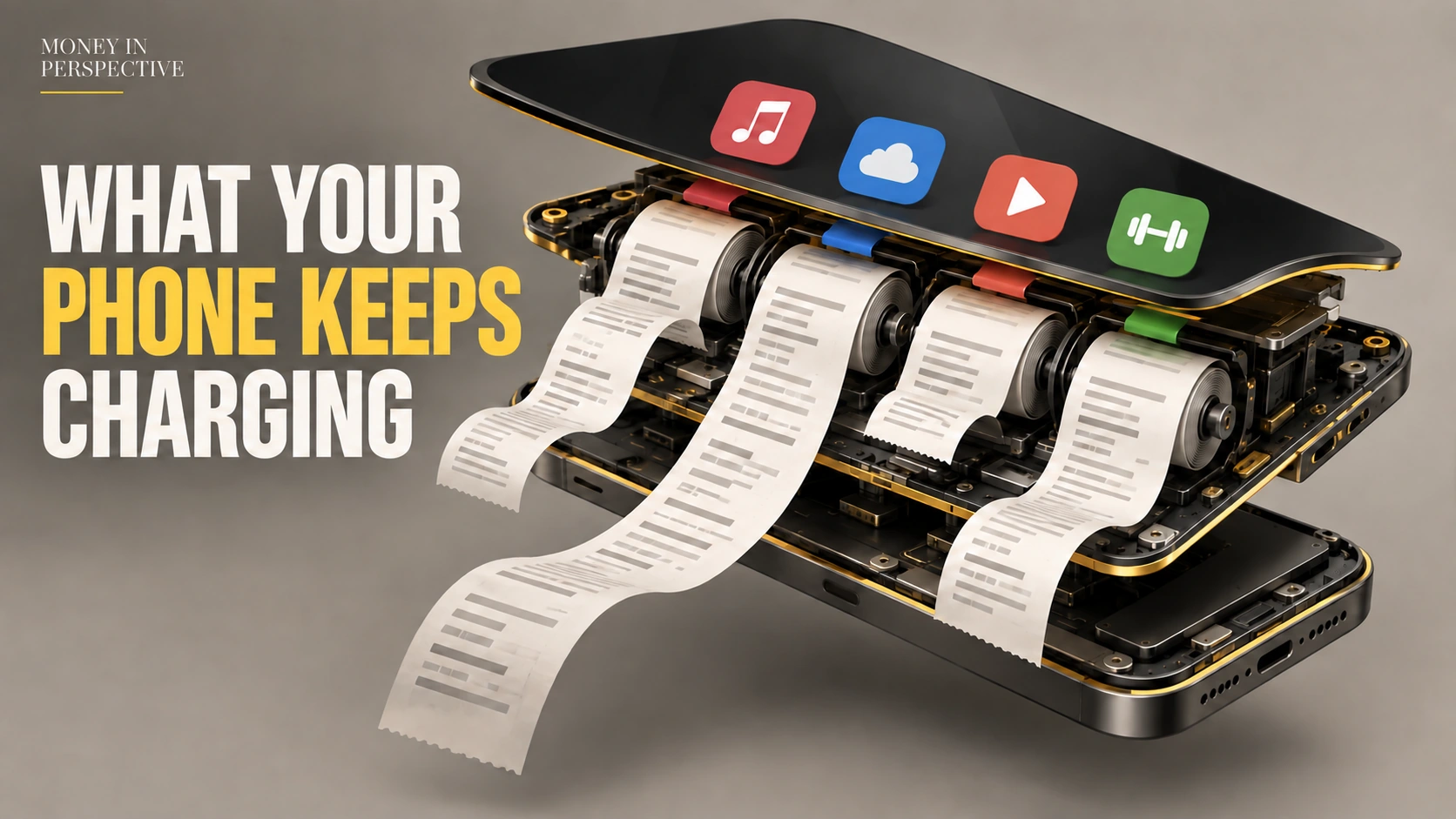
Insurance can add more. If you pay £12 per month to insure a premium phone, that is £144 per year. Upgrade annually and insurance becomes a permanent part of the technology budget. Keep a cheaper older device and you might eventually decide the insurance is no longer worthwhile.
Finance plans make the total easier to ignore. Suppose the new phone costs £48 per month. That sounds manageable. But if you upgrade every time the contract allows, you may never experience the point where the device is fully paid for and the monthly cost drops.
This is one of the biggest financial advantages of keeping a phone after the finance period ends. Once the hardware is paid off, you can often move to a cheaper SIM-only plan and keep using the device. The difference between a £55 combined plan and a £15 service plan is £40 per month, or £480 per year.
One additional year without upgrading can therefore produce a large saving while changing very little about daily life.
This is why annual upgrading should be thought of as a hobby or preference rather than a normal requirement. If technology is something you genuinely love, spending £500 or £700 per year to stay current may be good value to you. People spend similar amounts on golf, clothes, travel, concerts and other interests.
The problem is pretending the annual upgrade is financially neutral because the monthly payment looks familiar.
A useful exercise is to calculate your five-year phone cost under different habits. Imagine a £1,000 phone.
Option one: replace every year, recovering £500 each time. Approximate net upgrade cost: £500 per year.
Option two: replace every three years, recovering £250 at the end. Approximate net hardware cost across three years: £750, or £250 per year.
Option three: keep it four years and recover £150. Approximate net hardware cost: £850, or just over £200 per year.
These are simplified figures, and real resale values vary. The point is the shape of the economics. Longer ownership generally reduces annual hardware cost because fewer new devices are purchased and the original price is spread over more use.
There is also the question of what happens to the old phone. Trading it in is convenient but may not provide the highest value. Selling privately can sometimes produce more, though it requires effort and carries risks. Passing a device to a family member can create value in another way by preventing them from buying a new phone.
Keeping every old device in a drawer is usually the least financially efficient choice. Phones depreciate while sitting unused. If you genuinely need a spare, keeping one can make sense. If you have four “backup” phones, you are storing value that is quietly disappearing.
Environmental cost matters too. Smartphones contain metals, batteries, glass and components that require energy and resources to produce. Keeping devices longer, passing them on and recycling responsibly can reduce waste. The financial and environmental incentives often point in the same direction.
Annual upgrading also creates a habit of evaluating technology based on what is newest rather than what is sufficient. This can spill into other categories. Watch. Tablet. Laptop. Earbuds. Each product develops its own launch cycle. A household can end up spending constantly simply to keep several devices current.
That is why a broader technology budget can be helpful. Instead of asking whether you can afford the next phone payment, decide how much you are comfortable spending on technology across the year. Now the phone competes honestly with other gadgets, subscriptions and goals.
You may decide the newest phone matters more than a new laptop. Fine. Or you may realise skipping one upgrade would fund a holiday, build savings or pay for something you value more.
Waiting also improves decision quality. The strongest desire often appears during launch week, when reviews and advertising are everywhere. Give the new model a month. Continue using your current phone. If the limitations still bother you, the upgrade case is stronger. If the excitement fades, you have saved a large amount without sacrificing anything important.
Another useful rule is to upgrade when your current phone stops meeting your needs, not when the calendar says a year has passed. That might be after eighteen months for a demanding professional user. It might be after five years for someone whose needs are modest.
There is no correct replacement interval.
The best interval is the one that balances reliability, security, performance, enjoyment and cost.
You should also consider whether a repair would solve the problem. Battery replacement, screen repair or storage cleanup can sometimes restore a device for much less than replacement. Not every repair is sensible, especially on very old phones, but the option deserves comparison.
If you do upgrade annually, at least make the decision consciously. Calculate the net cost after trade-in. Add accessories and insurance. Ask which new features you expect to use regularly. Compare the annual cost with other things the same money could fund.
Then decide whether staying current gives you enough enjoyment to justify it.
There is nothing wrong with loving new technology.
The expensive part is not enthusiasm itself.
It is allowing a manufacturer's launch calendar to become your personal replacement schedule without ever calculating what that habit costs.
There is also a practical benefit to delaying replacement that is easy to miss: you learn what actually matters to you. After three or four years with a device, you know which features you use, what frustrates you and what you can comfortably ignore. That makes the next purchase more informed. Annual upgraders often buy before enough time has passed to discover whether last year's supposedly important features changed anything.
Longer ownership also reduces setup friction. Moving banking apps, authentication tools, photos, settings, accessories and work accounts to a new phone takes time even when migration is smooth. One upgrade is manageable. Repeating the process every year is another hidden cost of staying current.
The best upgrade cycle therefore considers more than resale value. It includes the value of stability, familiarity and not having to spend another weekend configuring a device that performs almost the same daily tasks as the one it replaced.
A new phone every year can be affordable.
It can even be good value for the right person.
But it is rarely cheap.
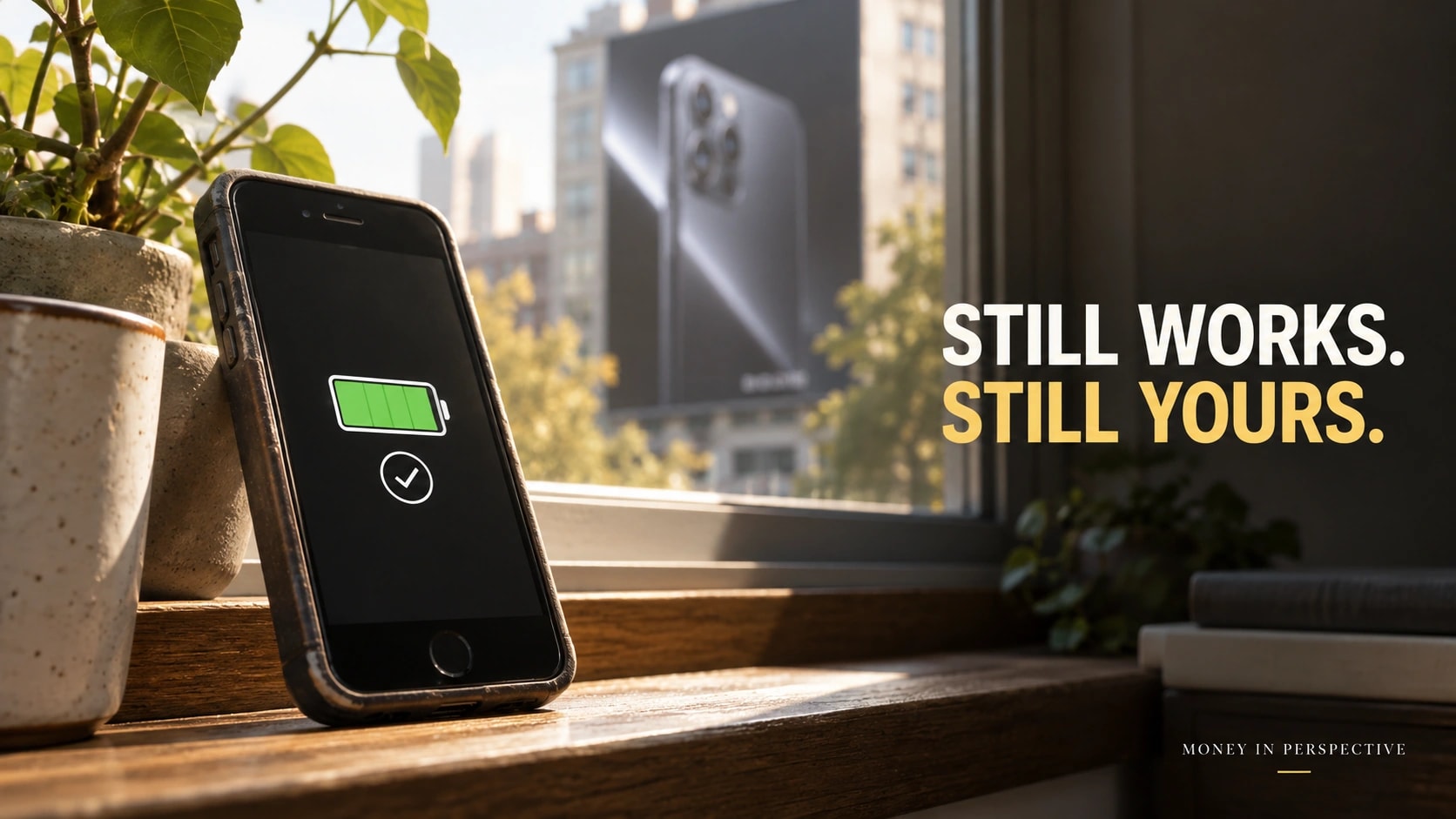
The real saving begins the first year you look at the new model, look back at the phone already in your hand and decide that, for now, it is still good enough.