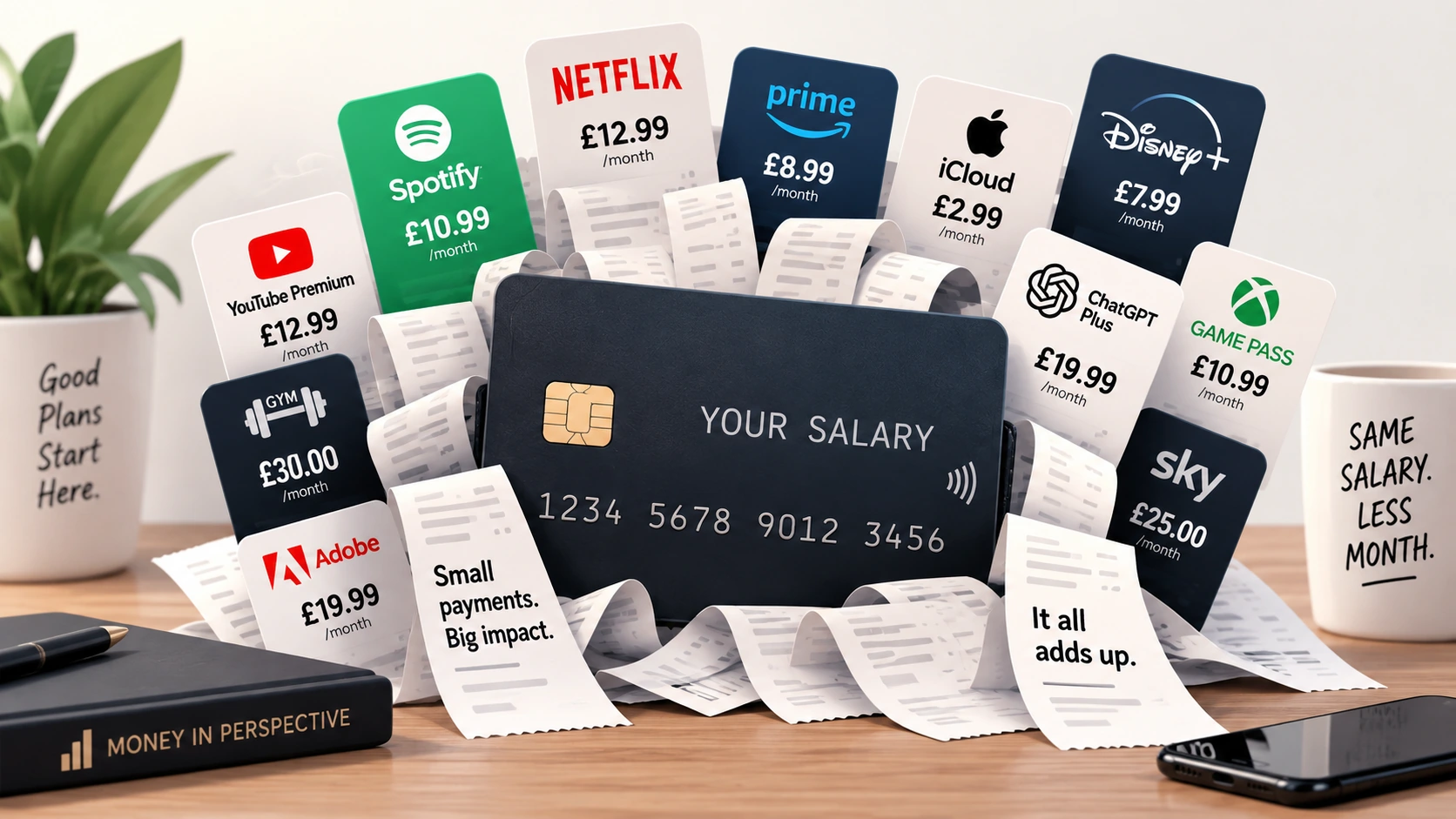
Monthly subscriptions are designed to feel harmless. A few pounds here, another tenner there. But once they start stacking up, a collection of “small” payments can quietly become one of the biggest drains on your disposable income.
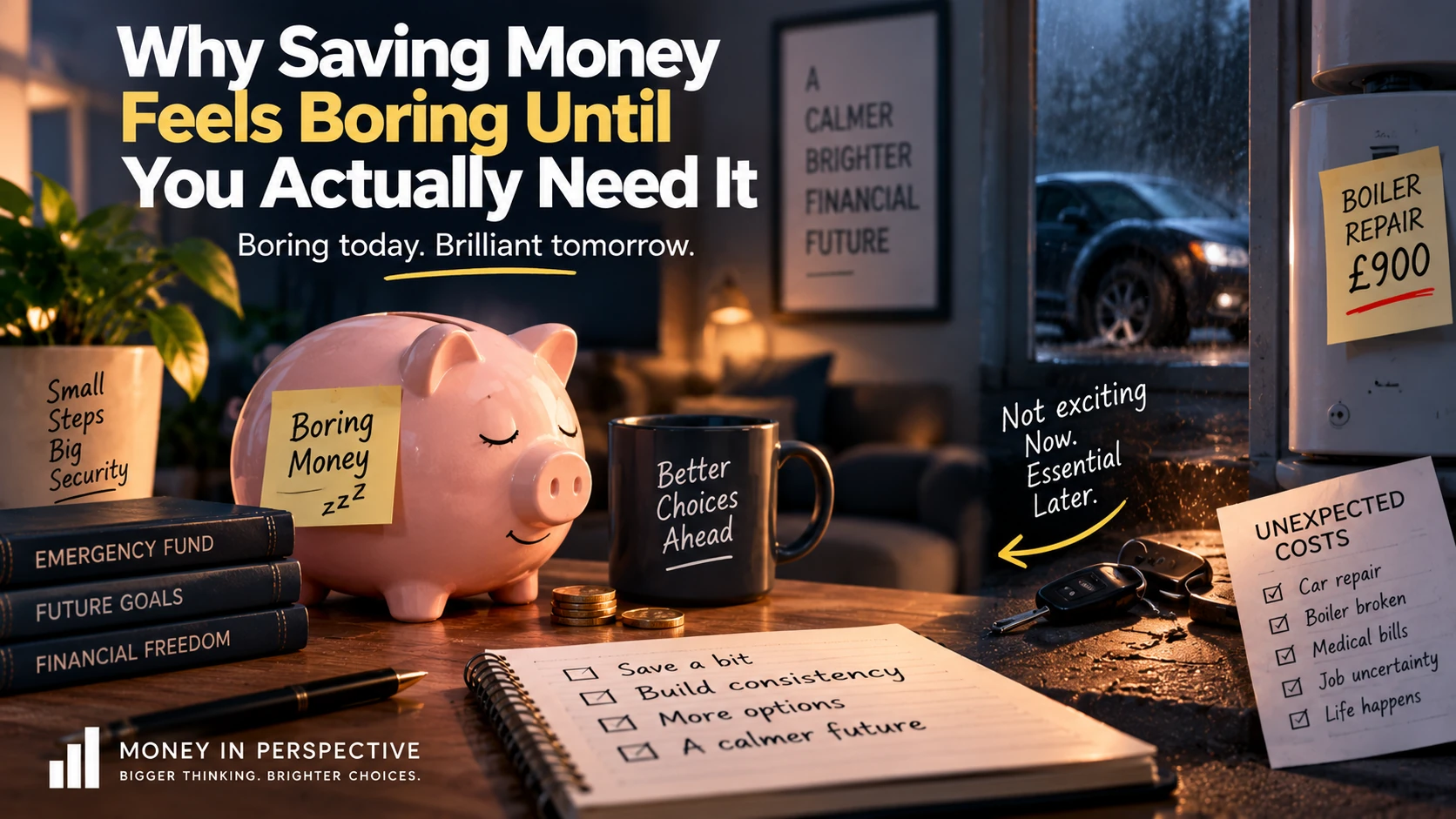
Spending gives immediate rewards. Saving often gives you nothing visible at all—until something goes wrong. That is when boring money suddenly becomes extremely useful.
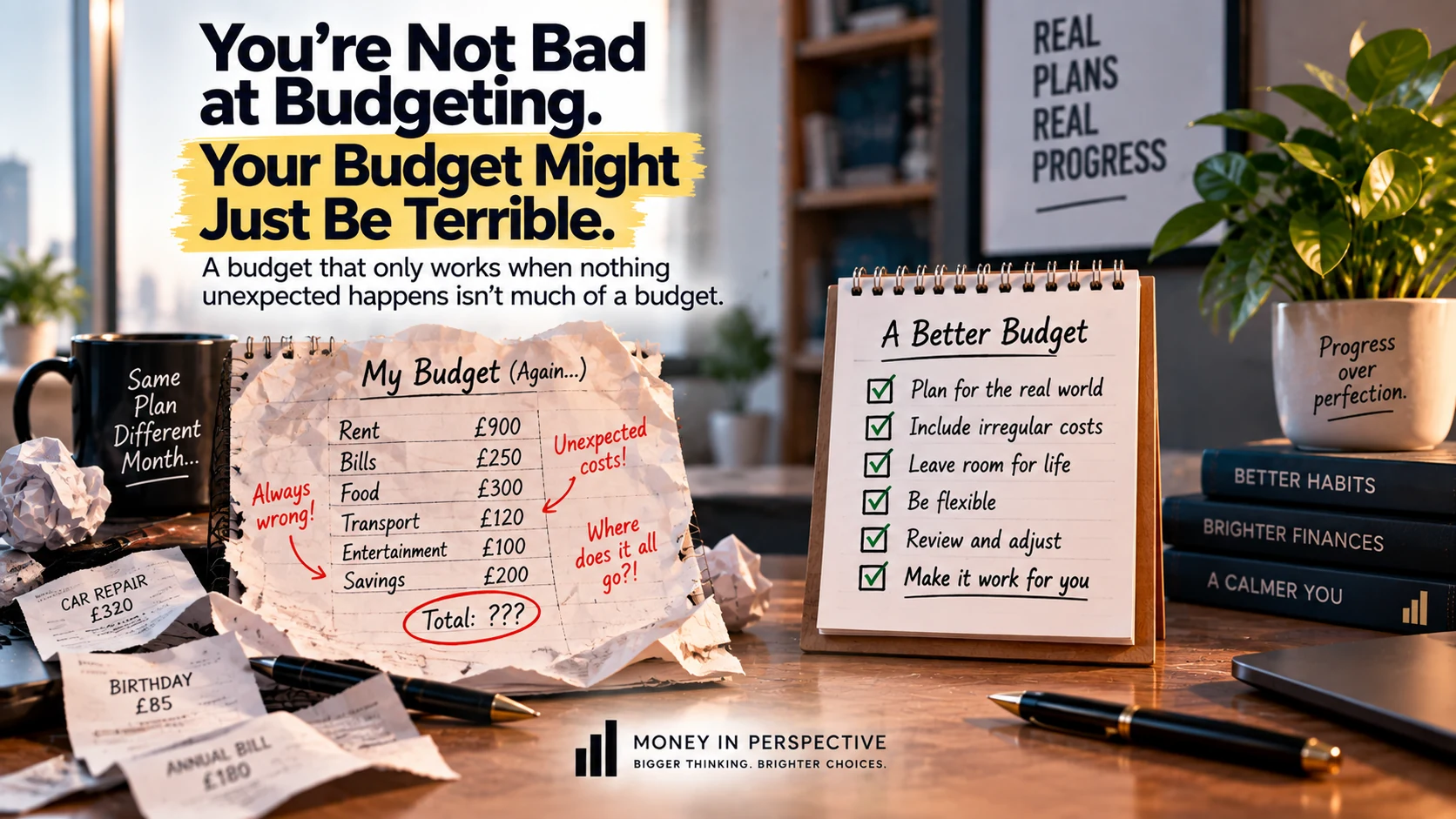
Many budgets fail because they are built around an imaginary month where nobody has a birthday, nothing breaks and every decision goes perfectly. Real life needs a more flexible plan.
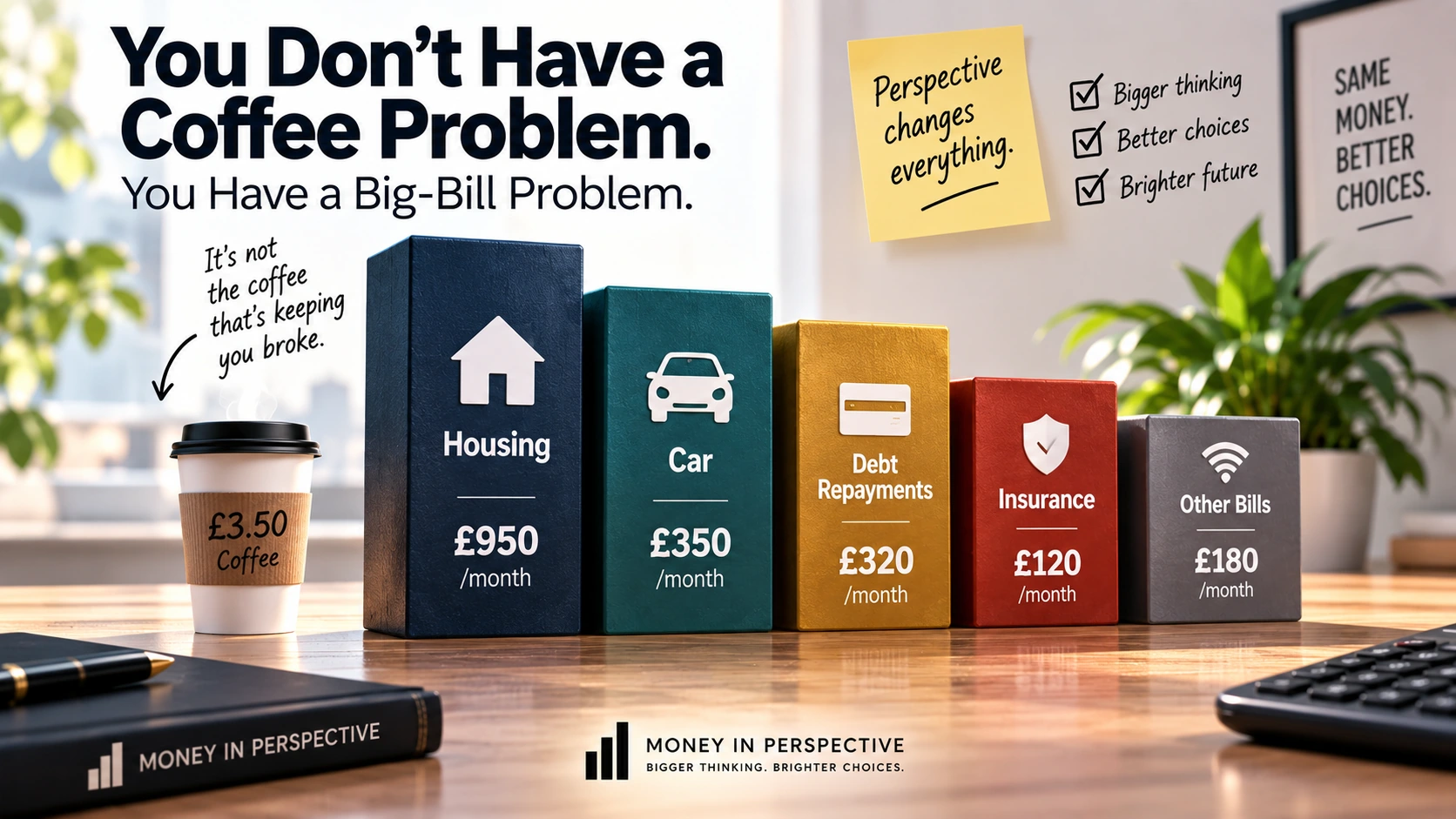
Small spending matters, but the largest opportunities in your finances often sit in housing, transport, debt, insurance and other recurring costs—not in the occasional cappuccino.
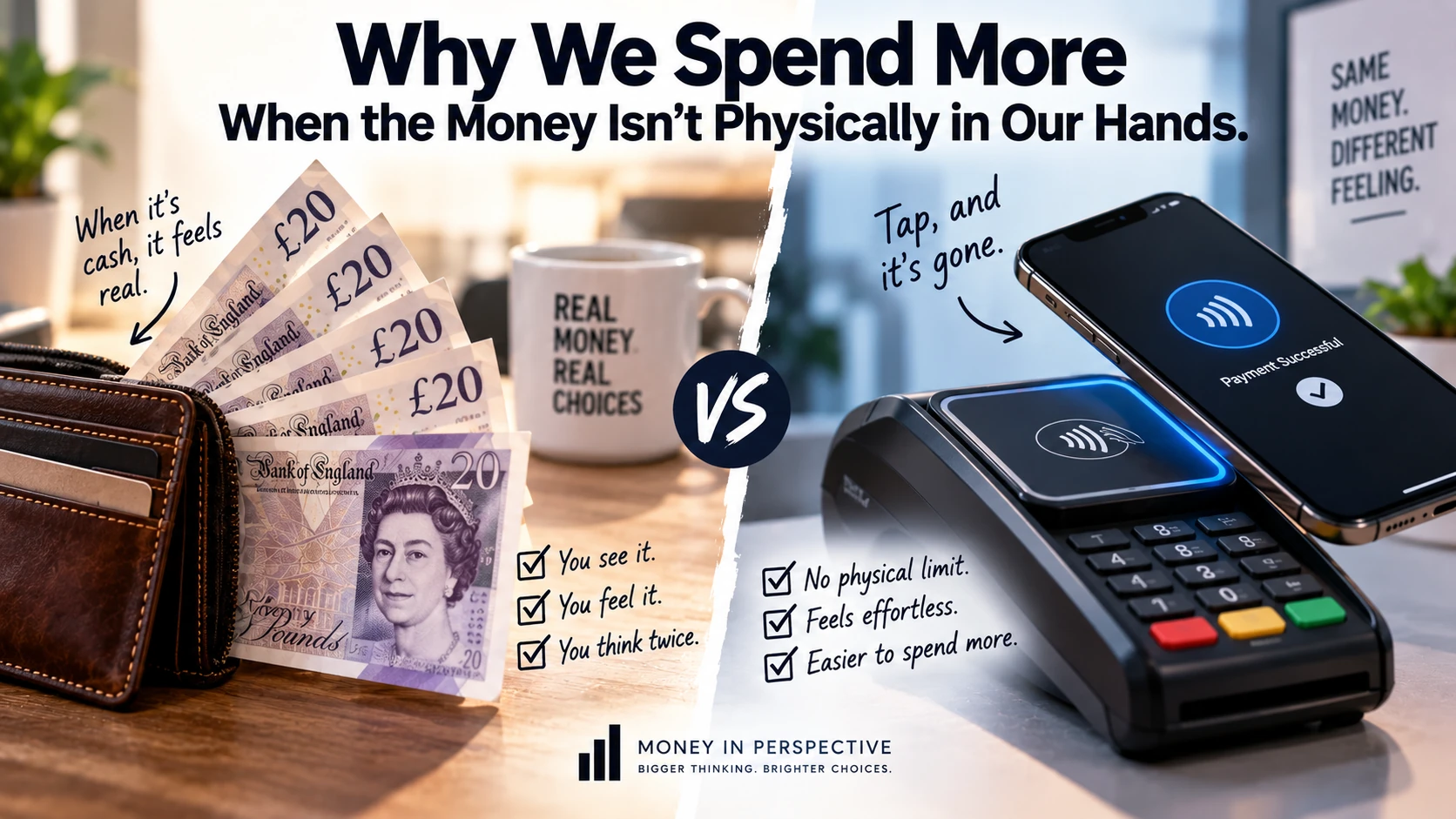
Cards, phones and one-click checkout make paying wonderfully convenient. They can also make spending feel less real by removing the small moments of friction that once forced us to notice money leaving.
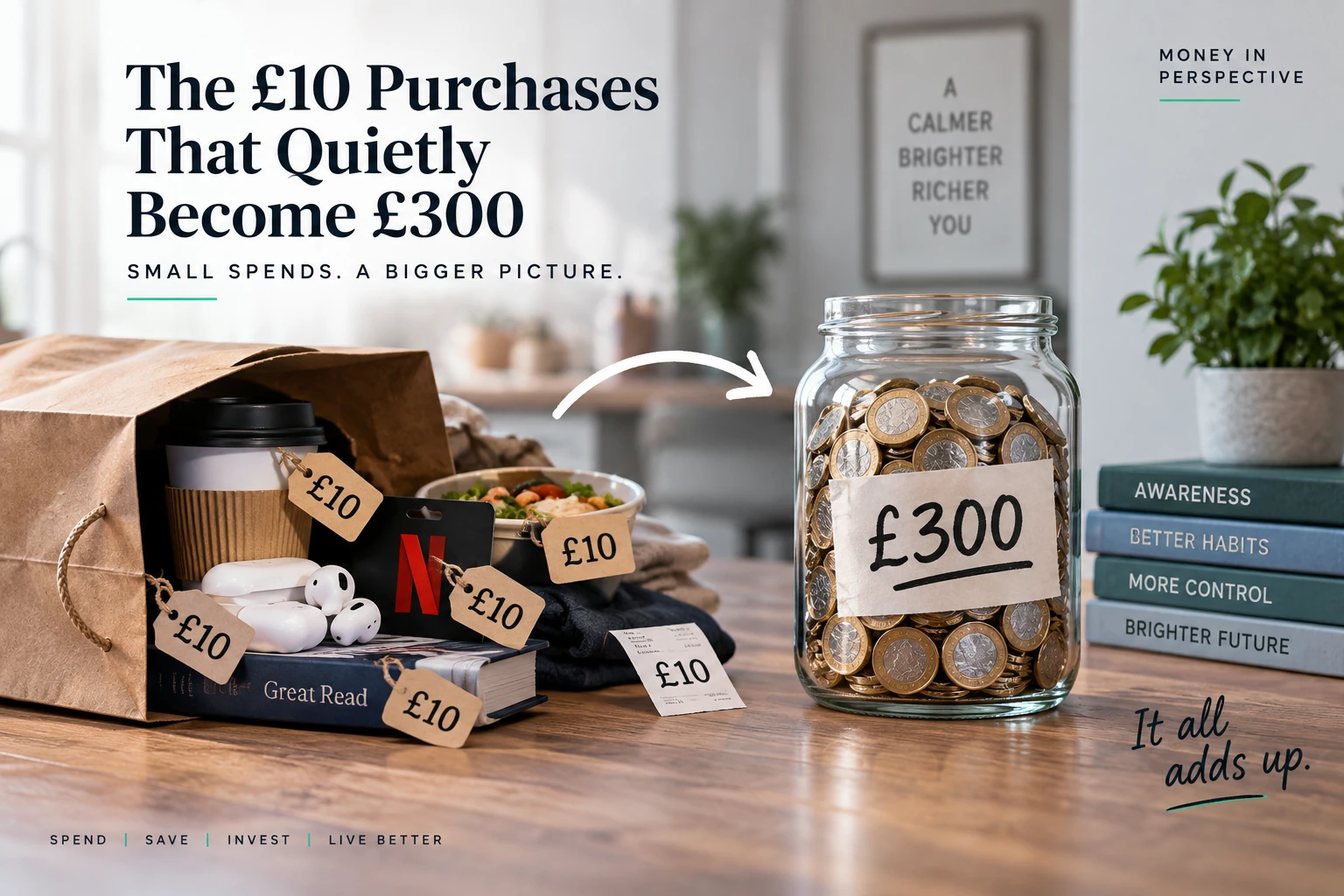
A ten-pound purchase does not feel like a financial event. But when the same kind of spending happens several times a week, the total can become surprisingly large without ever feeling dramatic.
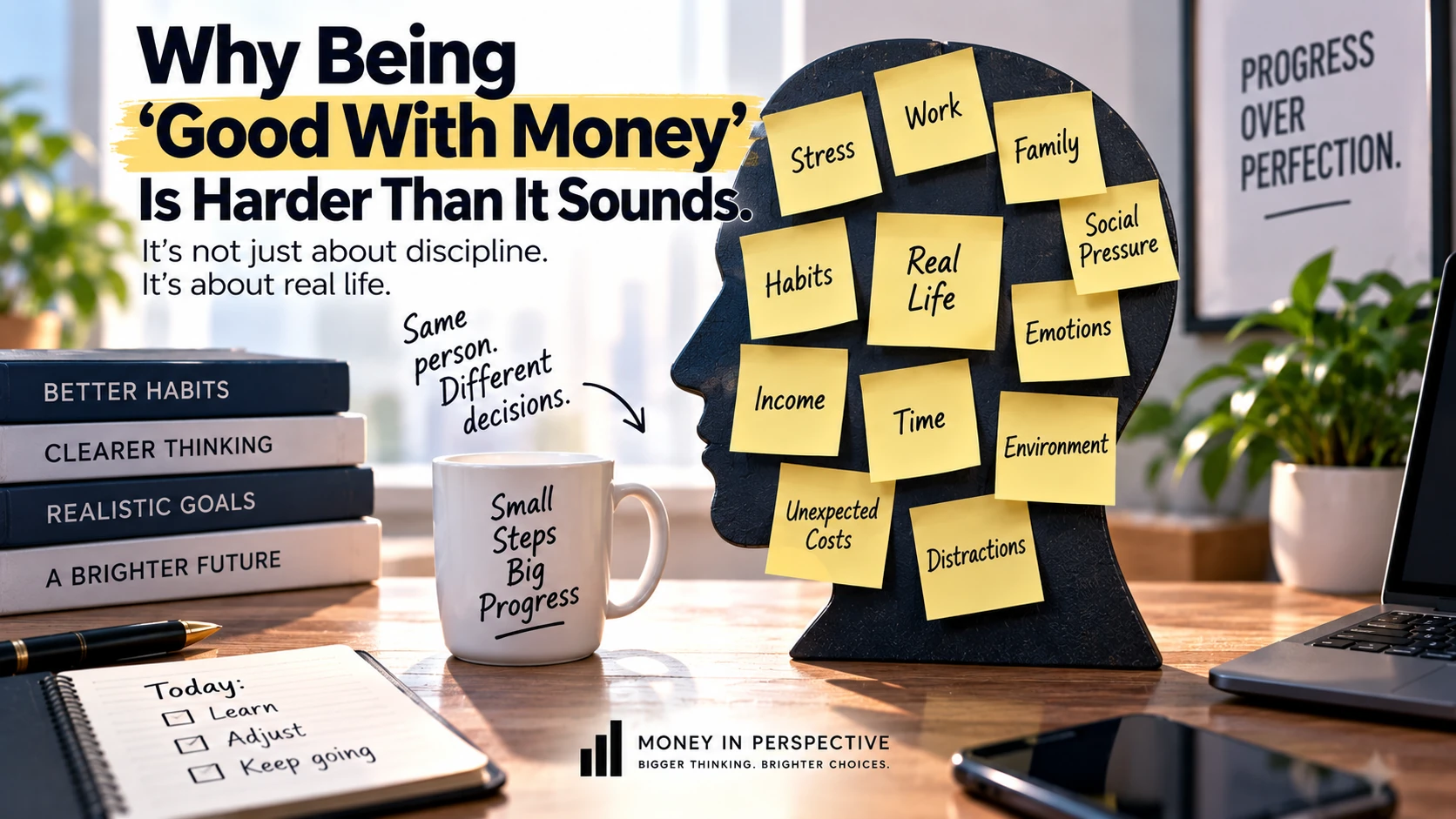
Being good with money is often presented as though it is simply a matter of discipline. In reality, financial behaviour is shaped by habits, stress, environment, income and dozens of competing decisions.
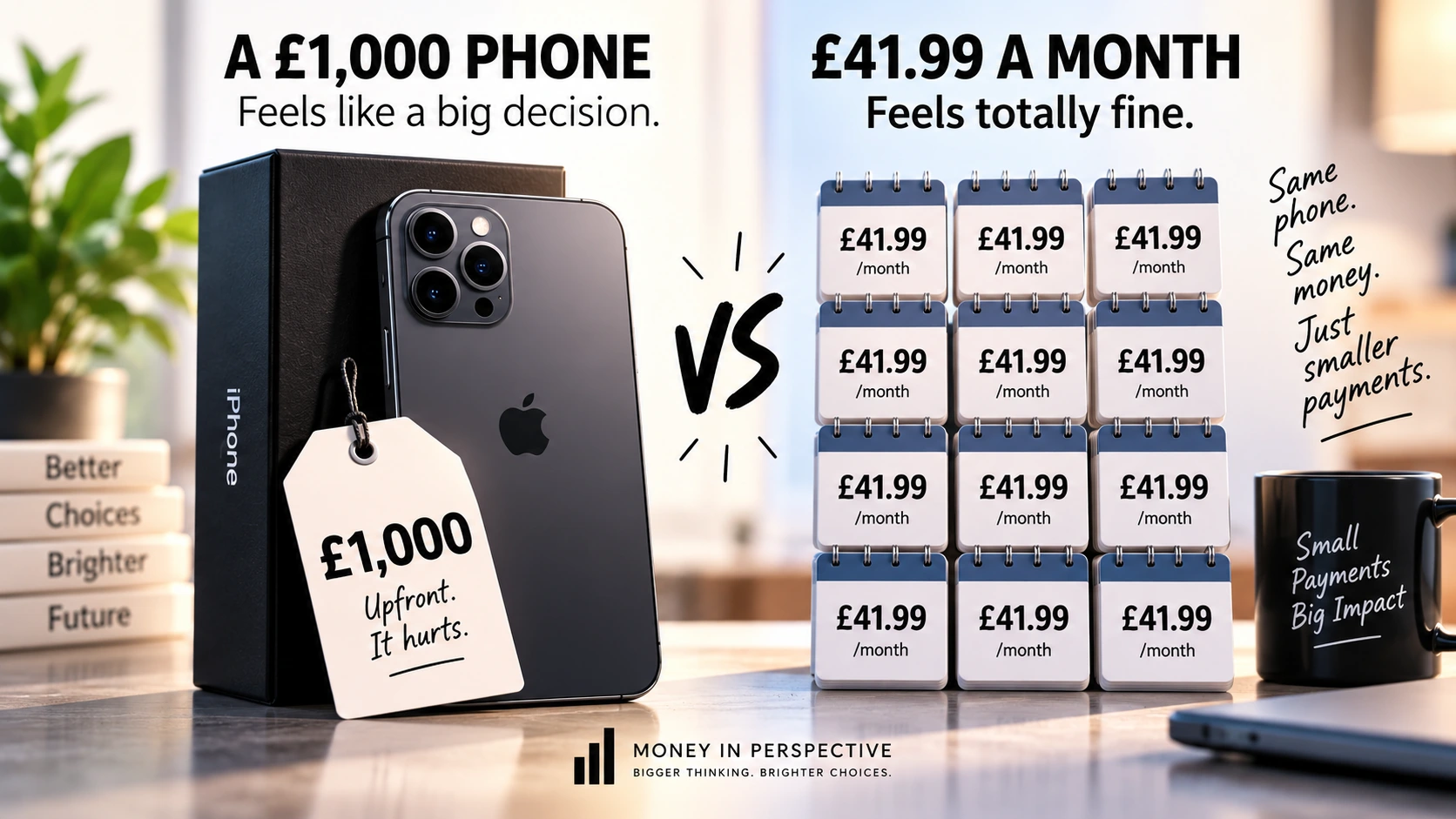
Most people would think carefully before handing over £1,000 for a phone. Put the same phone behind a monthly payment, however, and the purchase can suddenly feel much smaller.
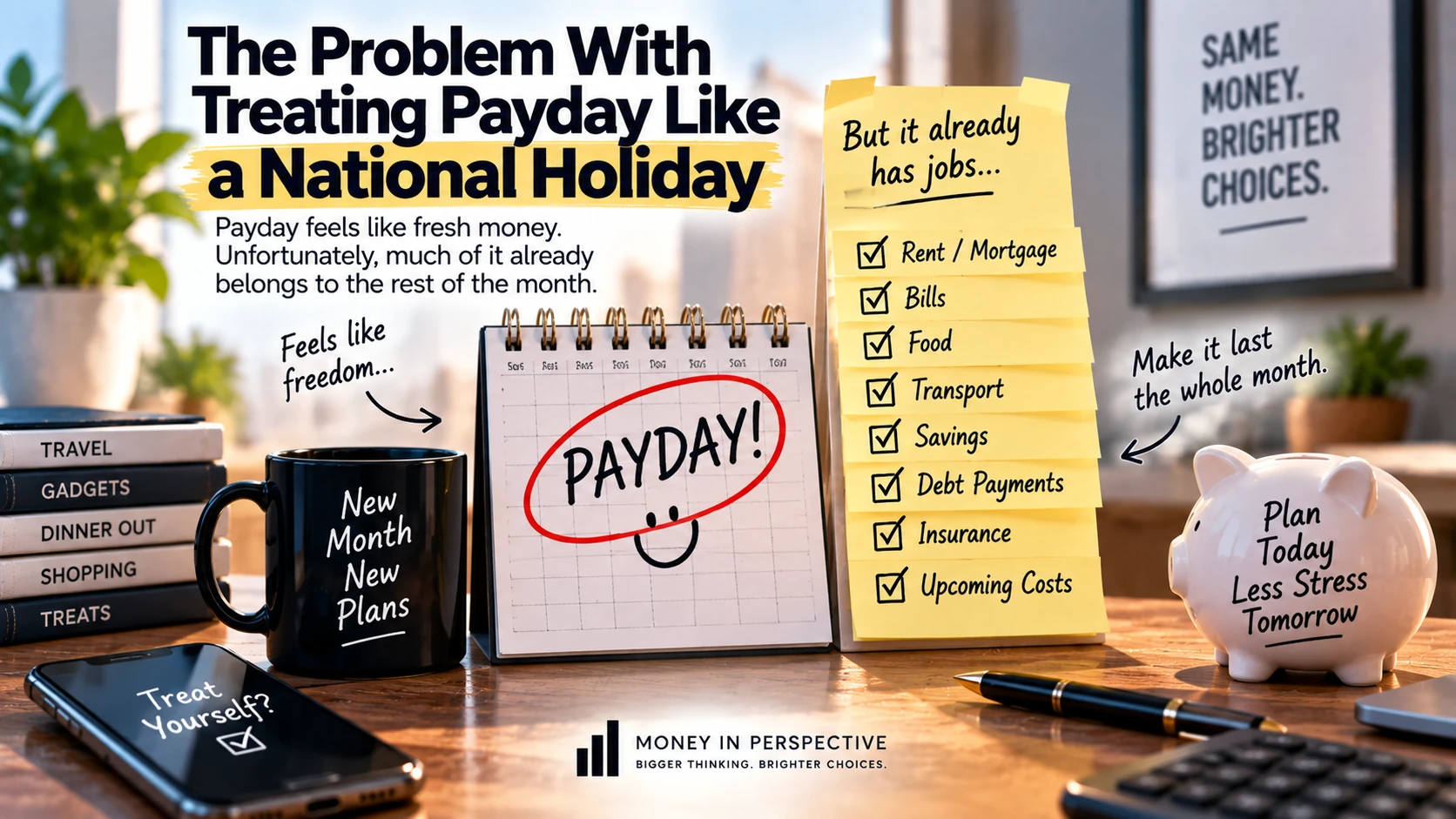
Payday often creates a temporary feeling of wealth that can encourage bigger spending in the first few days. The problem is that your salary still has several weeks of work left to do.
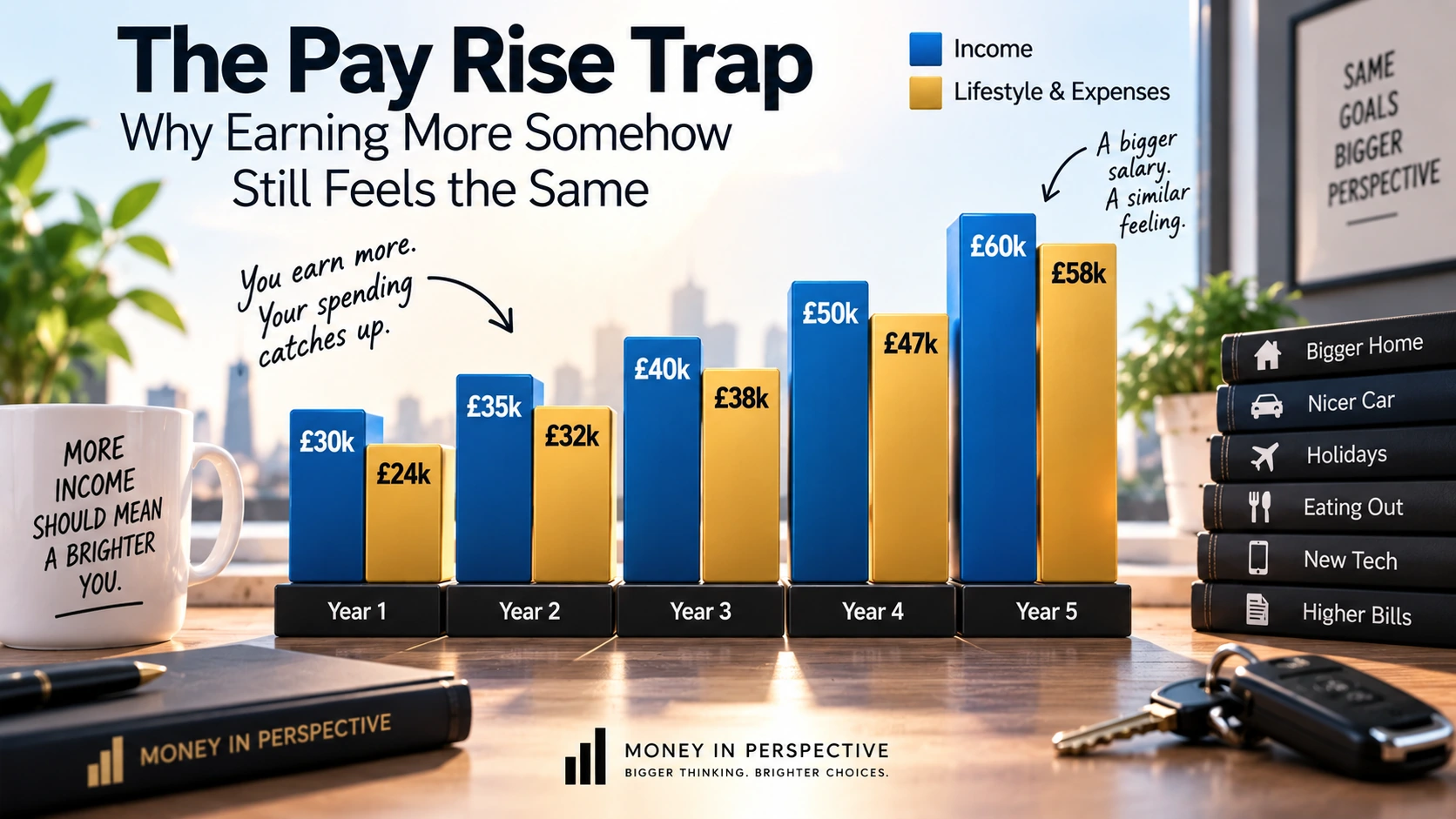
A pay rise should create more breathing room. Yet many people find that a few months later, life feels just as expensive as before. Lifestyle inflation has a remarkable ability to keep pace with income.