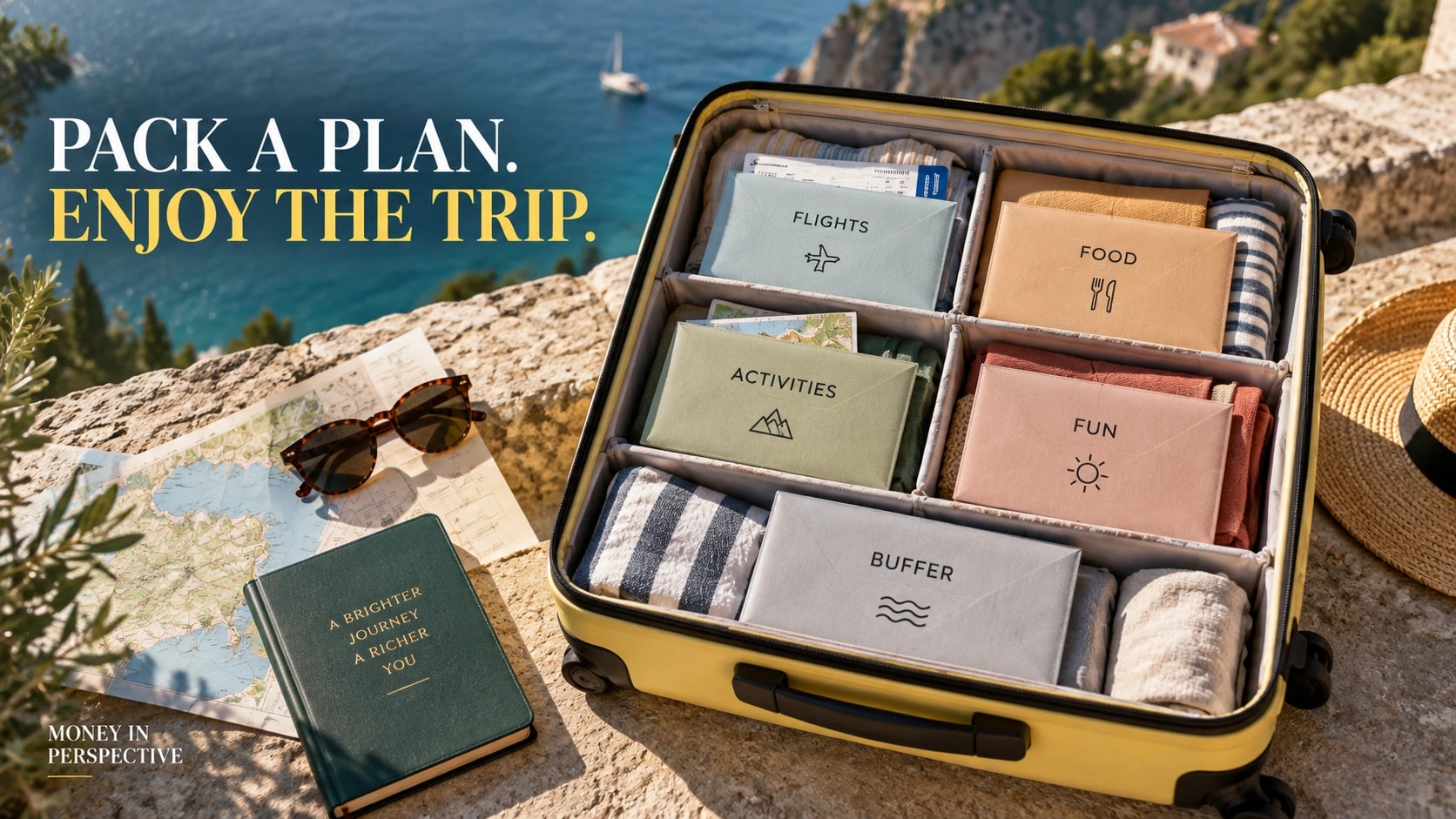
All-inclusive holidays promise something unusually attractive: certainty. You pay a large amount before travelling and, in return, many of the daily decisions that normally cost money disappear. Meals are covered. Drinks may be covered. Snacks may be covered. Some activities may be covered. You can walk past the restaurant bill, order another drink and stop mentally adding up every transaction. For many travellers, that simplicity is part of the holiday.
But all-inclusive is not automatically cheap, and it is not automatically expensive. Its value depends heavily on how you actually travel. The same package can be excellent value for one family and poor value for another couple staying in the next room. The important question is not whether all-inclusive is “worth it” in general. It is whether you will use enough of what is included to justify the premium you are paying.
Start with the difference in price. Suppose a seven-night hotel costs £1,400 on a bed-and-breakfast basis and £2,000 all-inclusive. The upgrade is £600. That £600 is the amount that needs to be compared with the food, drinks and other extras you would realistically buy without it. If two adults would otherwise spend £70 a day on lunch, dinner, drinks and snacks, the total over seven days could be close to £490. Add a few expensive resort drinks or activities and the gap narrows quickly.
Now change the travellers. Imagine the same £600 upgrade for two people who enjoy exploring local restaurants every evening, rarely drink alcohol and spend most days away from the hotel. They may still buy lunch outside, pay for dinner elsewhere and barely use the included drinks. In that case, all-inclusive can become an expensive package of benefits they have already paid for but are not using.
This is why eating habits matter more than many people realise. Some travellers genuinely want three meals a day at the resort. Others skip breakfast, eat a small lunch and prefer one good dinner. A buffet that is available from morning until night has very different value to those two groups. The word “unlimited” can sound impressive, but unlimited access is valuable only when you actually want the thing being offered.
Drinks can change the calculation even more. Resort drink prices can be high, especially in destinations where hotels rely heavily on captive spending. If a couple would buy several soft drinks, coffees, cocktails or beers each day, the cost outside an all-inclusive plan can become significant. For someone who drinks mostly water and one glass of wine with dinner, the same drinks package may offer very little financial value.
Families often receive stronger practical value from all-inclusive because the convenience is repeated all day. Children want snacks at unpredictable times. Drinks get abandoned and replaced. Someone is hungry earlier than everyone else. Paying for each request separately can be expensive and tiring. An all-inclusive plan can remove both the transaction cost and the constant decision-making. That convenience is difficult to price exactly, but it is real.
The opposite can happen with independent travellers. If the whole point of the holiday is to explore the destination, an all-inclusive resort can work against the experience. You may feel pressure to return for lunch because you already paid for it. You may skip a local restaurant because dinner at the hotel is included. The package can start influencing the holiday rather than simply supporting it.
That is an important psychological effect. Once people have paid for all-inclusive, they often want to “get their money’s worth”. This can lead to behaviour they would not otherwise choose. More food because it is there. Another drink because it is included. Staying at the resort because leaving means paying twice. The financial logic can become strange: you spend thousands on a holiday and then avoid a £25 local restaurant because you do not want to waste the buffet you already paid for.
The best package is one that fits the trip you already wanted to take. If you planned to relax by the pool for most of the week, eat at the hotel and enjoy drinks throughout the day, all-inclusive may fit perfectly. If you planned to hire a car, visit towns, hike, eat locally and spend little time at the resort, it may not.
Quality matters too. An all-inclusive plan is poor value if the included food or drinks are disappointing enough that you pay to eat elsewhere anyway. Reviews can help here, but read them carefully. Look for repeated comments about food quality, variety, queueing, restaurant availability and what is genuinely included. A resort may advertise several restaurants while requiring reservations that are difficult to obtain. Premium drinks may cost extra. Certain restaurants may be excluded. “All-inclusive” can describe very different products.
It is therefore worth reading the package terms rather than relying on the label. Are branded alcoholic drinks included or only local alternatives? Are snacks available all day? Is bottled water included? Are speciality restaurants included, limited or chargeable? Are activities such as water sports, children's clubs or entertainment part of the package? Does the plan end at checkout time even if your flight leaves late at night?
Small exclusions can change value. Imagine paying a large premium for all-inclusive and then discovering that the coffee shop, beach bar and best restaurant all cost extra. The package may still be worthwhile, but it should be judged on the benefits you will actually receive, not the most generous interpretation of the words.
Destination matters as well. In some places, eating outside a resort can be inexpensive and excellent. In others, tourist-area restaurant prices are high, transport is awkward and the hotel is isolated. A £600 all-inclusive premium has very different value depending on the alternatives nearby. Always compare against the real destination, not a generic idea of what meals “should” cost.
Location within the destination matters too. A city-centre hotel surrounded by cafés and restaurants creates competition. A remote beach resort may effectively control most of your food options. If a taxi is required every time you want to eat elsewhere, the apparent savings from a cheaper meal plan can disappear into transport.
Length of stay changes the calculation. On a three-night break, travellers may want to eat out and explore constantly because time is limited. On a fourteen-night resort holiday, the convenience of included meals and drinks may become much more valuable. On the other hand, two weeks of the same buffet can create enough boredom that people start spending outside the hotel anyway. Again, personal travel style matters more than the marketing category.
There is also value in budget certainty. Some people enjoy holidays much more when the major spending has already happened. They do not want to check the banking app after every meal or wonder whether another drink is sensible. All-inclusive converts uncertain daily spending into a known upfront cost. That peace of mind can be worth paying for even when the package is not mathematically the cheapest option.
This is especially relevant for families operating within a fixed holiday budget. A package can prevent the final few days from becoming financially tense because too much was spent earlier. You know the children can eat, the drinks are covered and most of the basics are already paid. Predictability is a form of value.
But certainty can also hide overspending. Because the total is paid months before the trip, the premium may feel distant by the time you arrive. You stop comparing what you actually consume with what it cost. This is why the decision should be made at booking, not during the holiday. Once you are there, there is little value in trying to “win” against the buffet.
One useful way to compare options is to create a realistic daily food-and-drink budget for the alternative. Do not use an artificially low number designed to prove that room-only is cheaper. Ask what you would genuinely do. Would you buy breakfast? Eat lunch at a beach café? Have two drinks by the pool? Go out for dinner? Buy snacks for children? Multiply that by the number of days and compare it with the all-inclusive premium.
Then add any included extras that you would genuinely pay for separately. Perhaps the package includes children's activities, gym classes, water sports or entertainment you would otherwise purchase. Do not assign value to things you would never buy. Free archery is not worth £30 to you if you have no intention of touching a bow.
The same principle applies to premium tiers. Resorts may offer standard all-inclusive and a more expensive level with branded drinks, better restaurants, private areas or room upgrades. Compare the incremental price with the specific benefits. “Premium” is not a reason to upgrade. A benefit you will use repeatedly might be.
It can also be sensible to compare all-inclusive with half-board rather than only room-only. Breakfast and dinner may cover the expensive meals while leaving the daytime free for exploring. For some travellers, that is the best balance between predictability and flexibility.
Another useful question is whether the package changes your behaviour in ways you actually like. Some people love the freedom of ordering without looking at prices. Others dislike buffets, hate feeling tied to one property and enjoy choosing restaurants spontaneously. Financial value and holiday value are connected. Saving £150 is not impressive if it produces a trip you enjoy less.
There is no moral superiority in self-catering either. Cooking on holiday can save money, especially for families, but only if you are happy doing it. Renting an apartment with a kitchen and then resenting every meal you prepare is not automatically better value than paying for convenience. Time, effort and enjoyment belong in the comparison.
All-inclusive can also be useful in destinations where exchange rates, tipping customs or unfamiliar pricing make budgeting harder. Paying upfront in pounds can reduce uncertainty. But check whether tips, local taxes, resort fees or optional services still require cash. “Mostly prepaid” is different from “nothing else to spend”.
The strongest all-inclusive purchases usually have three characteristics. First, the travellers genuinely plan to spend a lot of time at the resort. Second, the included food and drinks are good enough that they will actually use them. Third, the price premium is reasonably close to what they would otherwise spend.
The weakest purchases tend to be driven by the idea that unlimited automatically means good value. Unlimited anything sounds generous. But if your actual consumption is modest, you may be paying for theoretical abundance rather than practical benefit.
A simple break-even calculation helps. Take the extra price of all-inclusive and divide it by the number of holiday days. If the upgrade costs £700 for seven nights, that is £100 per day for the travelling party. Ask whether you would realistically spend around that amount each day on the items now included. If yes, the package may be financially competitive. If your normal spending would be £40, you are effectively paying £60 per day for convenience, certainty and the additional benefits.
That does not automatically make it a bad decision. It simply tells you what the convenience is costing.
The best travel decisions rarely come from asking whether something is cheap in isolation. They come from comparing the complete version of one holiday with the complete version of another.
All-inclusive can be one of the best-value ways to travel when it matches your habits. It can also be a very expensive way to spend a week avoiding local restaurants you wanted to try because dinner has already been paid for.
The package is not cheap or expensive by itself.
Your behaviour decides which one it becomes.