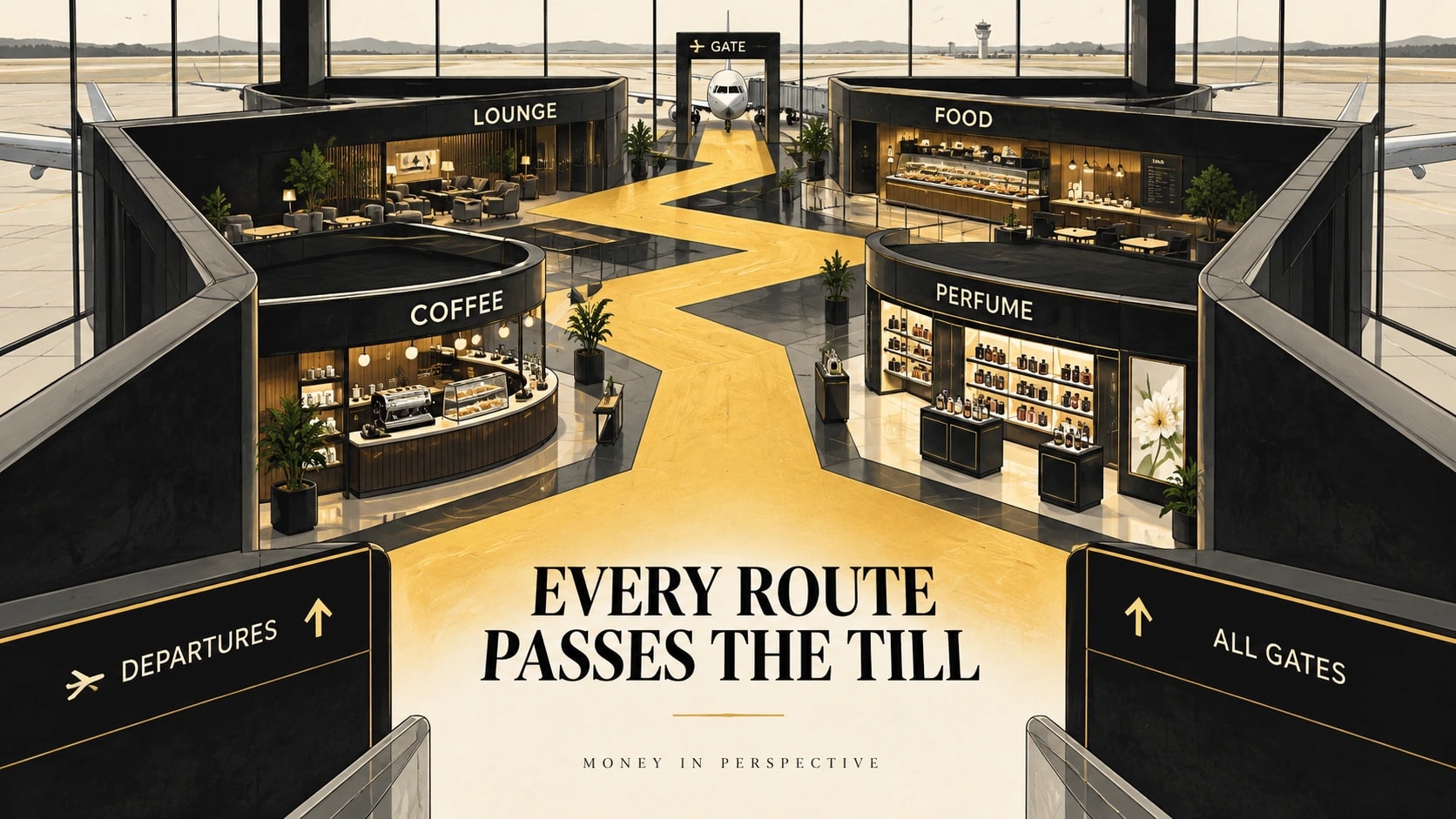
Travel companies are exceptionally good at selling upgrades.
By the time you finish booking a trip, the original price may have been offered several opportunities to grow.
Better seat.
Priority boarding.
Extra legroom.
Lounge access.
Fast-track security.
Bigger room.
Sea view.
Breakfast.
Late checkout.
Private transfer.
Premium insurance.
The booking process can make refusing every upgrade feel like choosing the intentionally miserable version of the holiday.
That is not true.
Many travel upgrades provide very little value for the individual trip.
Some, however, are absolutely worth paying for.
The difference is whether the upgrade solves a real problem.
A good rule is:
Pay to remove the parts of travel you personally dislike most.
For one person, that is lack of sleep.
For another, connections.
Queues.
Dragging luggage across public transport.
A badly located hotel.
Cramped seating.
Once you know your pain points, upgrades become easier to evaluate.
Direct flights are one of the strongest examples.
A connecting itinerary may be significantly cheaper.
That saving can be worthwhile, particularly on long trips where the schedule remains reasonable.
But connections add more than time.
Another airport.
Another boarding process.
More chances for delay.
Potentially more food spending.
More fatigue.
And the possibility of missing the next flight.
For a short holiday, a direct flight can be particularly valuable because every hour spent travelling is a larger percentage of the trip.
Imagine paying £80 more to remove a four-hour connection each way.
That is £80 to recover eight hours of your holiday.
For many people, especially on a three-day city break, that is excellent value.
For a three-week trip, perhaps the cheaper connection is easier to tolerate.
Context changes the answer.
Flight time can be even more important than the airline.
A £40 cheaper flight leaving at 6am may require waking at 2am, taking an expensive taxi or staying in an airport hotel.
The cheap flight can become more expensive and much more tiring.
Similarly, a flight landing after public transport stops may create a large transfer bill.
Paying more for a civilised departure time is not glamorous.
It may improve the trip more than any premium seat.
This is why travel should be compared door to door rather than runway to runway.
Hotel location is another upgrade with enormous potential value.
A room twenty minutes closer to the things you want to see can save transport costs and return hours every day.
Suppose a central hotel costs £25 more per night for four nights.
That is £100 extra.
If the cheaper hotel requires £15 of daily transport and an hour of commuting, the premium is much smaller than it appears.
Location can also improve spontaneity.
You can return to the hotel easily.
Rest.
Drop off shopping.
Go out again.
A remote bargain may create a schedule around transport.
The correct hotel is not always the one with more stars.
It may be the one in the better place.
Extra legroom is more personal.
On a one-hour flight, many people will gain little from paying for it.
On a ten-hour flight, a tall traveller may regard it as the best money spent on the entire journey.
The upgrade solves a physical problem.
That is a strong reason to pay.
Premium economy or business class is a larger version of the same calculation.
Prices can rise dramatically.
For most travellers, the cash difference is substantial enough to fund another trip.
For others, sleep, mobility needs, work requirements or the ability to arrive functional can justify it.
There is no universal “worth it”.
The value depends on how much the improved journey changes what happens afterward.
Seat selection belongs lower down the hierarchy for many travellers.
A solo passenger may not care.
A family may care very much.
Parents may reasonably pay to ensure appropriate seating arrangements rather than leaving everything to allocation systems.
A traveller with anxiety, mobility considerations or a strong preference for aisle access may gain genuine value.
The key is again solving a problem.
Paying simply because the booking interface makes an unselected seat feel unfinished is weaker.
Baggage can also be a worthwhile upgrade.
Ultra-light travel is fashionable because it saves money and time.
It is not automatically superior.
A family may find one checked suitcase dramatically easier than trying to compress everything into multiple cabin bags.
Someone attending a formal event may need clothing that travels poorly in a tiny bag.
A longer trip may make checked luggage sensible.
The objective is not to beat the airline at baggage economics.
It is to carry what you need at a price you accept.
Airport lounge access is one of the most misunderstood upgrades because value depends heavily on what you would otherwise do.
Suppose lounge entry costs £35.
If you have a three-hour wait and would otherwise buy a £15 meal, £8 of drinks and £5 coffee, the incremental cost may be small.
You also receive seating, quieter space and perhaps work facilities.
That can be good value.
If you have a forty-minute wait and normally buy nothing, the same £35 is a luxury.
Still perfectly valid if you enjoy it.
Just do not pretend free snacks automatically make it financially profitable.
Fast-track security works similarly.
At a quiet airport, it may save five minutes.
At a busy airport during school holidays, it may save much more and reduce stress.
This is one of those upgrades where timing and location matter more than the product.
If the ordinary queue is likely to be short, skip it.
If missing the flight would cause enormous stress and the fee is modest, it may be worthwhile.
Airport hotels are another upgrade that can initially look wasteful.
Why pay for a hotel near home the night before a holiday?
Because a 6am flight can require leaving at 2am.
If the airport hotel costs £80 but replaces a £60 taxi, reduces driving risk and gives everyone several more hours of sleep, the net premium may be tiny.
For families, the improvement can be substantial.
You begin the holiday rested rather than recovering from the journey for the first day.
Transfers deserve similar analysis.
Public transport is often cheaper.
Private transfers can be excellent value when several people are travelling together, carrying luggage or arriving late.
Compare total group cost.
A £60 private transfer for four people is £15 each.
If the alternative requires four train tickets, a bus and an additional walk with suitcases, the convenience premium may be small.
For a solo traveller arriving during the day, the same transfer may be unnecessary.
Breakfast at hotels is another upgrade people evaluate poorly.
A £20 breakfast sounds expensive compared with buying food outside.
If the surrounding area has excellent cafés where you want to eat anyway, skip the hotel breakfast.
If the hotel is remote, food is expensive locally and breakfast means the family can eat conveniently before a full day, the option may be worth far more.
Do not judge upgrades in isolation.
Judge the alternative.
Room upgrades are highly dependent on the type of trip.
On a city break where you leave at 8am and return exhausted at 11pm, a sea view may have very few opportunities to provide value.
At a resort where half the holiday is spent on the balcony, room size and view can meaningfully change the experience.
The same £200 upgrade can therefore be pointless on one trip and excellent on another.
Late checkout can be valuable for similar reasons.
A noon checkout with a 10pm flight can create eight awkward hours.
If the hotel charges £40 to keep the room until 6pm, that may buy showers, rest, luggage storage and a comfortable final afternoon.
The alternative may involve storing bags and spending extra money simply to occupy time.
Sometimes convenience saves money indirectly.
Travel insurance sits in a different category.
It does not make the journey more luxurious.
It manages financial risk.
Appropriate insurance can protect against medical costs, cancellation, baggage problems and other covered events depending on the policy.
The cheapest policy is not automatically best.
The most expensive is not automatically necessary.
Read the cover, exclusions and limits.
Insurance should match the trip and your circumstances.
It is not an upgrade in the same sense as priority boarding.
It is part of risk planning.
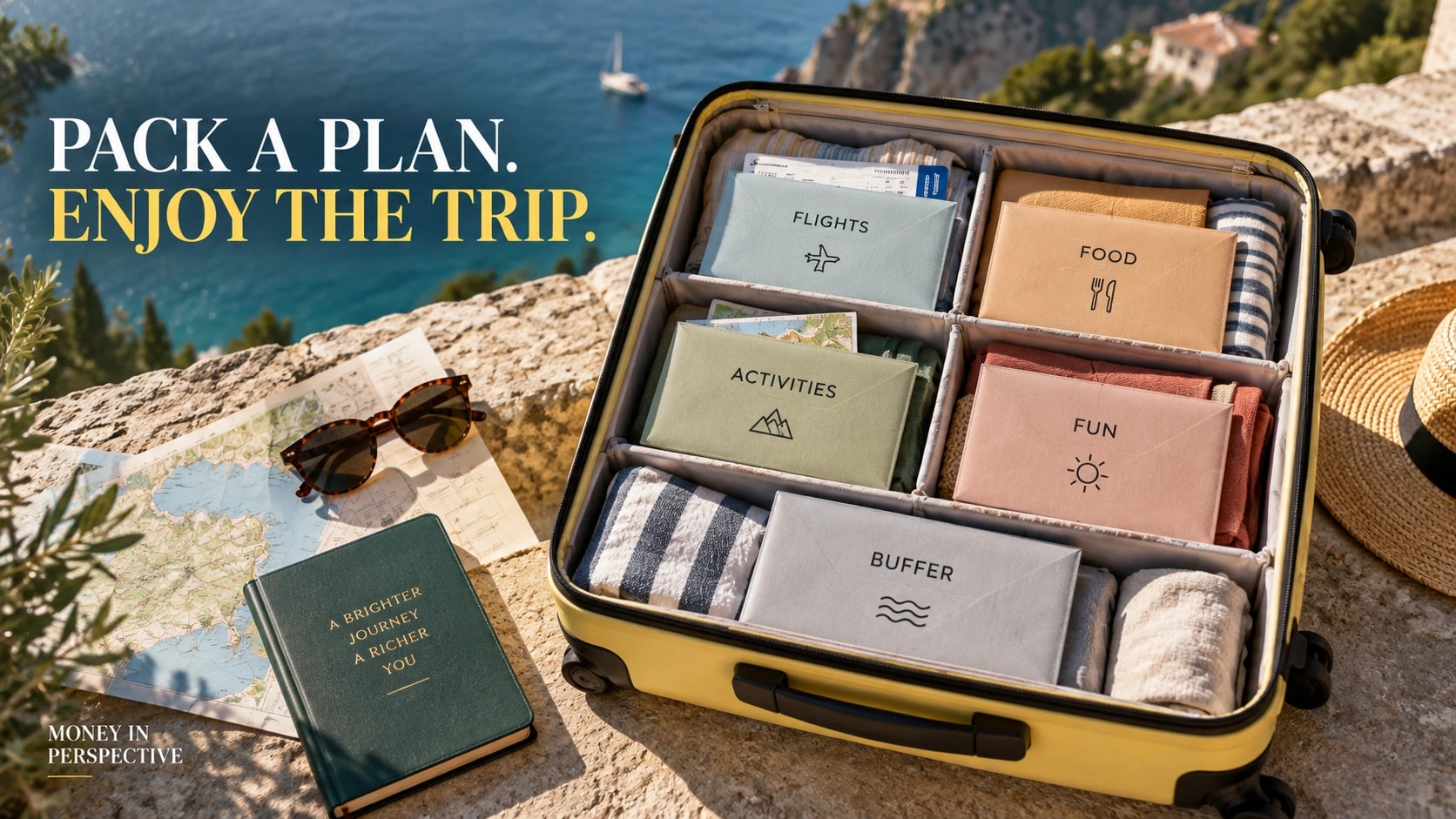
One useful way to budget upgrades is to set an overall comfort allowance.
Perhaps the trip budget includes £150 specifically for making travel easier.
Now the upgrades compete with each other.
Would you rather spend £80 on direct flights and £70 on a transfer, or £150 on room upgrades?
This creates priorities.
Without a limit, every upgrade can justify itself independently.
£15 here.
£30 there.
£60 somewhere else.
The booking becomes hundreds of pounds more expensive without one deliberate decision to spend hundreds.
It also helps to identify upgrades that are primarily status.
Priority boarding can be useful if overhead baggage space matters.
If everyone has assigned seats and you are happy boarding later, the practical benefit may be minimal.
Premium check-in may save time.
A special queue that saves two minutes is mostly cosmetic.
There is nothing wrong with buying status or luxury if you enjoy it.
Just recognise what you are buying.
There is also a useful distinction between reversible and irreversible upgrades.
Paying £20 for lounge access is a one-off choice.
Booking a much more expensive hotel category for seven nights can add hundreds to the trip.
The larger and less reversible the upgrade, the more carefully it deserves to be judged.
This is why small comfort upgrades are often easier to justify than major status upgrades.
A £30 transfer that removes a difficult arrival may materially improve the day.
A £600 room upgrade may be far harder to justify if you expect to spend very little time in the room.
Another good test is whether the upgrade improves the worst part of the journey or merely improves something that was already fine.
If you sleep badly on overnight flights, paying for more space can target a real problem.
If you are perfectly comfortable in a standard seat, the same money may produce much more enjoyment elsewhere in the holiday.
This is especially helpful when travelling as a family because upgrades multiply by passenger.
An extra £25 per person becomes £100 for four people.
Seat selection, baggage, priority services and transfers can therefore turn into a large package very quickly.
Families may still decide the convenience is worth every pound.
The important thing is to compare the combined total, not the attractive per-person figure.
It can also help to budget upgrades before opening the booking page.
Decide that perhaps £200 of the trip budget is available for comfort improvements.
Then choose the two or three upgrades that matter most.
This turns a sequence of upsells into one deliberate decision.
Travel companies are very good at presenting each upgrade independently.
Your budget should be equally good at presenting them together.
The strongest upgrades usually produce one of four things:
more time,
better sleep,
less physical discomfort,
or significantly less stress.
Those benefits tend to survive after the novelty disappears.
The weakest upgrades often make the trip look more premium without changing much about how it feels.
Travel is already expensive enough.
There is no need to buy every opportunity to improve it.
But there is equally no prize for choosing the cheapest possible version of every step and arriving exhausted, inconvenienced and annoyed.
Spend strategically.
If you hate connections, buy the direct flight.
If you need sleep, choose the better flight time.
If location transforms the trip, pay for the central hotel.
If you barely notice seat differences, keep the money.
The best upgrade is the one you would miss if it disappeared.
That is a much better test than whether the booking page calls it premium.